

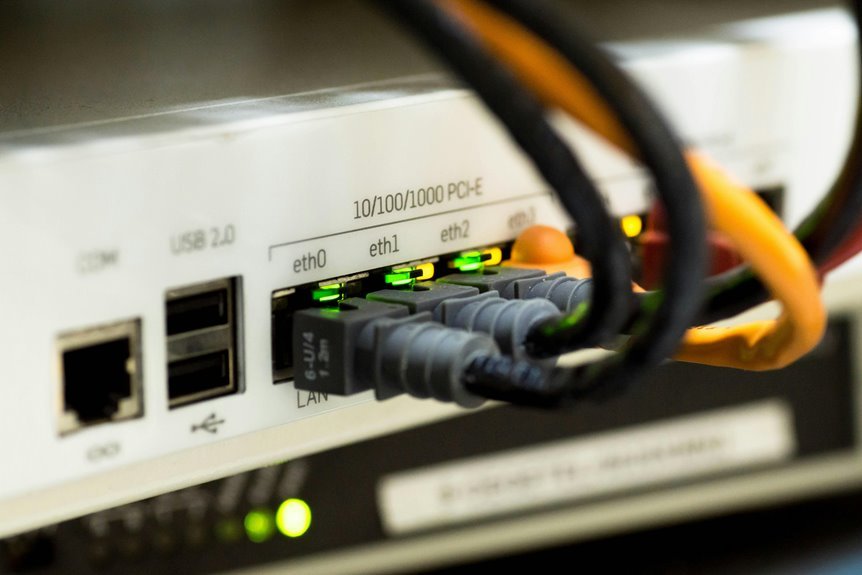
Advanced Internet Infrastructure 625125411 plays a critical role in ensuring stability within digital networks. Its design incorporates essential features such as load balancing and network redundancy. These elements are instrumental in maintaining efficient data traffic management. Additionally, real-time monitoring systems allow for rapid identification of disruptions. Understanding how these components interact could reveal significant implications for future connectivity and network resilience. What may emerge from this analysis is a profound shift in how digital infrastructures are perceived.
Understanding Advanced Internet Infrastructure 625125411
Advanced internet infrastructure encompasses the complex systems and technologies that enable high-speed data transmission and connectivity across global networks.
Central to this framework are data centers, which support cloud computing by providing scalable resources and storage solutions.
These facilities optimize data processing and distribution, facilitating seamless access to applications, services, and information, ultimately fostering a digital environment conducive to individual freedom and innovation.
Key Features That Enhance Stability and Efficiency
Stability and efficiency in internet infrastructure are underpinned by several key features that ensure optimal performance and reliability.
Load balancing distributes traffic evenly across servers, preventing overload and enhancing responsiveness.
Meanwhile, network redundancy provides alternative pathways for data, safeguarding against potential failures.
Together, these features create a robust framework that supports uninterrupted connectivity, fostering a digital environment conducive to freedom and innovation.
How Does This Infrastructure Address Network Disruptions?
How can advanced internet infrastructure effectively mitigate network disruptions?
This infrastructure enhances network resilience through redundancy, dynamic routing, and real-time monitoring.
By employing sophisticated algorithms, it identifies potential failures, reroutes traffic, and maintains service continuity.
These mechanisms are essential for disruption mitigation, ensuring that connectivity remains robust and reliable, ultimately empowering users to maintain their freedom in a digitally dependent world.
The Future of Connectivity: Embracing Advanced Technology
As the digital landscape evolves, the integration of advanced technologies into internet infrastructure is poised to redefine connectivity.
5G advancements will enhance bandwidth and reduce latency, facilitating seamless IoT integration.
This synergy enables a more interconnected ecosystem, empowering users with unprecedented access to information and services.
Ultimately, these developments foster an environment where freedom of communication and innovation can thrive, reshaping societal interactions.
Conclusion
In conclusion, Advanced Internet Infrastructure 625125411 serves as the backbone of modern digital connectivity, ensuring stability and efficiency through its innovative features. By effectively managing data traffic and proactively addressing disruptions, this infrastructure not only safeguards continuous service but also paves the way for future advancements. As technology evolves, embracing such robust frameworks will be crucial for fostering an environment where individuals can thrive, ultimately allowing society to reap the benefits of a connected world.




 Reliable Web Strategy 693123 for Growth