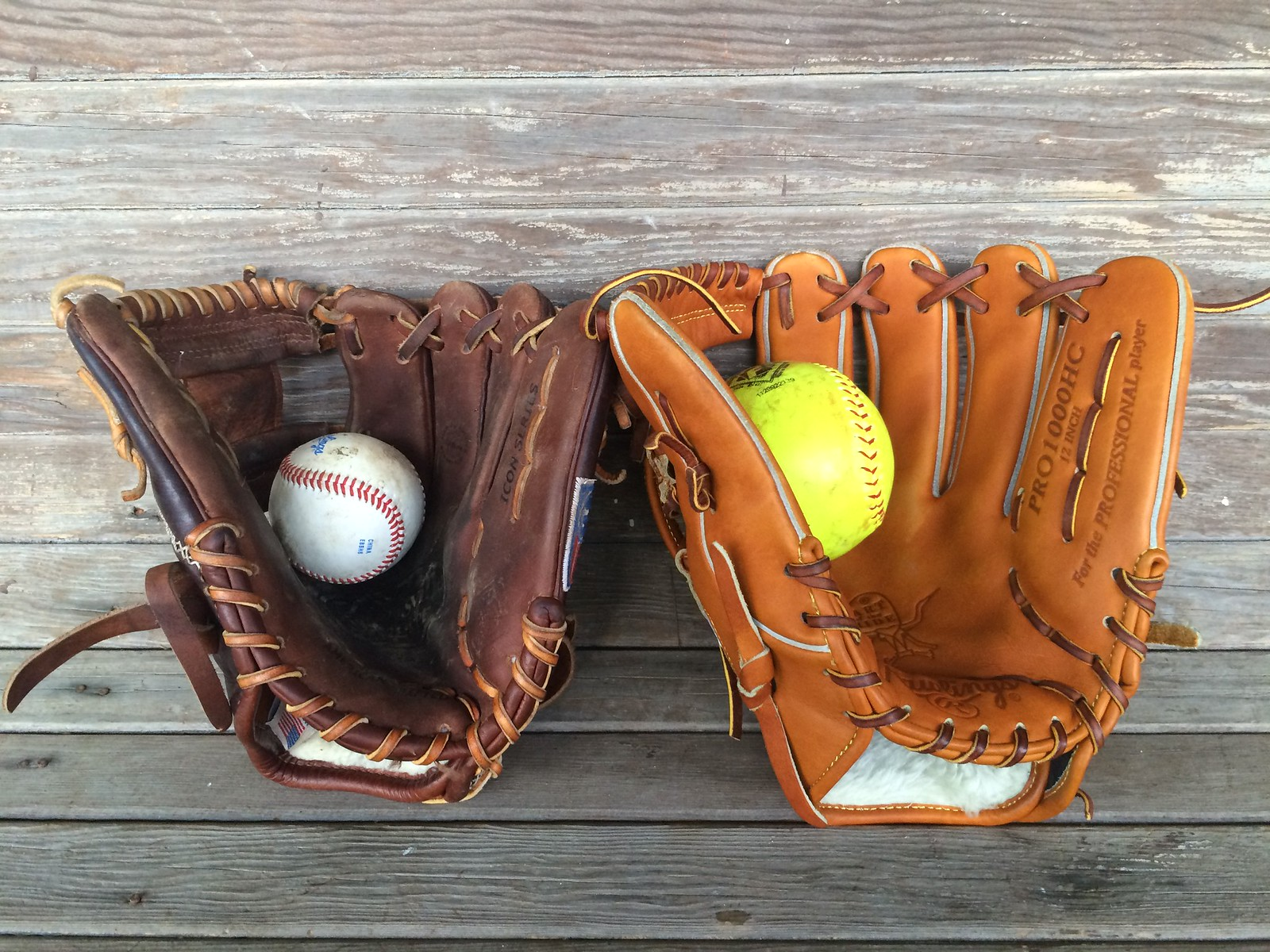
Choosing the right softball glove is one of the most important decisions for any player, whether you’re just starting out or competing at a higher level. The glove you wear directly impacts your speed, control, and confidence on the field. Since infield and outfield positions require very different skills, selecting the right design can significantly improve your performance. Understanding how gloves differ will help you make a smarter choice when shopping for high-quality softball gloves that match your playing style.
Understanding the Difference Between Infield and Outfield Gloves
Before selecting a glove, it’s important to understand how infield and outfield positions differ. Infielders—such as shortstops, second basemen, and third basemen—need quick reaction times and fast ball transfers. Their gloves are typically smaller with shallow pockets, allowing them to field ground balls and make rapid throws.
Outfielders, on the other hand, cover more ground and focus on catching fly balls. Their gloves are larger with deeper pockets to secure the ball during long catches or diving plays. According to glove experts, outfield gloves are designed with extra length and padding to help players extend their reach and absorb impact from high-speed hits .
Choosing the Right Glove Size for Your Position
Size is one of the most critical factors when selecting a softball glove. Infield gloves are generally smaller, ranging from about 11 to 12.5 inches. This compact size allows for faster ball handling and smoother transitions between catching and throwing.
Outfield gloves are larger, typically ranging from 12 to 13 inches or more. The extra length helps players catch fly balls more easily and provides a larger surface area for difficult plays. These size differences ensure that each position gets the performance advantage it needs on the field .
When selecting your glove, always consider your primary position. A properly sized glove improves reaction time, accuracy, and overall defensive performance.
Pocket Depth and Its Impact on Performance
Pocket depth is another key feature that separates infield and outfield gloves. Infield gloves have shallow pockets, allowing players to quickly see, grip, and release the ball. This is essential for fast plays like double plays or throwing runners out at first base.
Outfield gloves feature deeper pockets, which help secure the ball after long catches or diving efforts. The deeper design reduces the chance of the ball popping out during impact. This makes it easier for outfielders to confidently track and catch fly balls without worrying about losing control.
Understanding pocket design helps players choose a glove that matches their reaction speed and field responsibilities.
Material Quality and Durability
The material of a softball glove plays a major role in comfort, durability, and performance. Most high-quality gloves are made from leather, which offers long-lasting use and better control over time.
Cowhide leather is softer and easier to break in, making it ideal for beginners or younger players. Steerhide leather is more durable and preferred by advanced players who want a glove that maintains its shape during heavy use. Some modern gloves also use hybrid materials that combine leather with synthetic fabrics for a balance of flexibility and strength.
Choosing the right material ensures your glove not only performs well but also lasts for multiple seasons.
Webbing Styles for Better Control
Webbing is the part of the glove that connects the fingers and helps trap the ball. Different web styles are used depending on position and preference.
Infield gloves often use open web designs like I-web or H-web styles. These allow dirt to fall through easily and help players quickly transfer the ball. Outfield gloves typically use closed or deeper web designs, which provide more support and prevent the ball from slipping out during long catches.
The right web style improves both visibility and ball control, depending on your position and playing needs.
See also: Refining Everyday Style with Compact Luxury
Fit and Comfort for Better Performance
A glove should feel like a natural extension of your hand. If it’s too loose, you lose control. If it’s too tight, your movements become restricted. That’s why finding the right fit is essential.
Modern gloves come with adjustable wrist straps and flexible materials that allow for a more customized fit. Players should try different sizes and styles to find what feels most comfortable. A well-fitted glove improves reaction time and helps reduce hand fatigue during long games.
Comfort also plays a role in confidence. When your glove feels right, you can focus more on the game instead of adjusting your equipment.
Break-In Process for Optimal Performance
A new glove is often stiff and requires a break-in period before it reaches peak performance. Proper break-in ensures that the glove molds to your hand and develops a functional pocket.
Players typically use glove oil, repeated catching practice, and proper storage techniques to break in their gloves. Placing a ball in the pocket overnight helps maintain shape. Infield gloves are usually broken in for quicker transfers, while outfield gloves are shaped for deeper catches.
A properly broken-in glove improves comfort and ensures consistent performance on the field.
Choosing Between Infield and Outfield Gloves
Some players may wonder whether they can use one glove for both positions. While it is possible, it is not always ideal. Infield gloves are more versatile and can sometimes be used in the outfield, but outfield gloves are generally too large and slow for infield play.
Experts suggest choosing a glove based on your primary position. If you mainly play infield, go with a smaller, faster glove. If you play outfield, choose a larger glove with more reach and padding. The right choice depends on how you want to balance speed and control.
Final Tips for Finding the Perfect Glove
When selecting the perfect glove, always consider your position, size preference, material quality, and comfort level. Try different models if possible and focus on how the glove feels during catching and throwing motions.
Investing in the right equipment makes a significant difference in performance. High-quality softball gloves are designed to enhance your natural abilities and give you confidence on the field.
Conclusion
Finding the perfect softball glove for infield and outfield play requires careful consideration of size, material, pocket depth, and fit. Each position demands specific features that support speed, control, and catching ability. By understanding these differences and choosing wisely, players can significantly improve their performance and enjoy the game more.
Whether you are an infielder needing quick transitions or an outfielder covering large distances, the right glove is your most important tool. Make your choice carefully, and you’ll notice the difference in every play you make.