
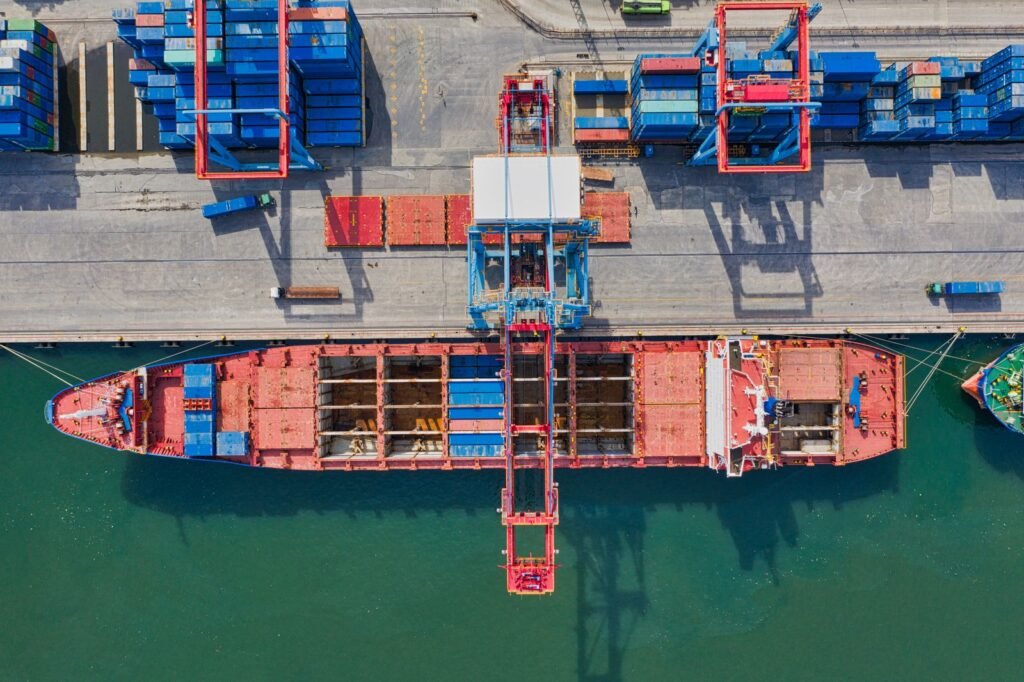
Freight forwarders for Turkey to Italy bulk cargo organise the journey from your supplier’s gate to the buyer’s door, including transport bookings, paperwork and customs. Sea freight is usually the cheapest way to move heavy goods on this route, rail and road can suit tighter deadlines, and a good forwarder will explain the trade-offs before you commit.
This article follows one shipment from start to finish. You will see what happens at each stage, which costs tend to appear, and which questions separate a reliable forwarder from a vague one. It names no companies. Use it as a working checklist when you request quotes.
Why This Trade Lane Is Busy
Freight guides often describe Italy as one of Turkey’s largest trading partners, commonly the fourth largest. Turkey also has a customs union with the European Union that covers many industrial goods, which can make movement easier for those products. Treatment differs for some categories, such as certain agricultural goods, so confirm the rules for your specific product with a customs broker.
Typical bulk and heavy loads include steel and metal products, building materials, machinery and parts, minerals, large volumes of textiles and packed foods. Heavy loads make mode and port choices especially important.
Stage 1: Define the Cargo and the Terms
Before asking for quotes, write down the basics: commodity and tariff code, packaging, gross weight, volume, pickup address, delivery address, target delivery date and who pays for what. The last point is set by your Incoterm, a standard trade term. The International Chamber of Commerce explains these on its Incoterms rules page.
Agree the term with your trading partner first. If one forwarder quotes delivery to a port and another quotes delivery to your door, their prices cannot be compared.
Stage 2: Choose the Mode
Sea
Guides describe sea freight as the cheapest option for heavy and bulky goods. Cargo may go in full containers, as break bulk or by roll-on roll-off, depending on size. It is slower and depends on port schedules.
Road
Trucks offer door-to-door service and flexible timing. Journeys include road legs and a sea crossing or other transit steps, so ask the forwarder to explain exactly how the route works and where delays can occur.
Rail
Rail is possible for some loads. One guide gives a transit time of about ten to fifteen days, but timing depends on route and terminals. Ask whether your equipment and cargo type are accepted.
Air
Air is the fastest and costliest choice and is rarely used for bulk. Keep it for urgent, light, high-value items.
Stage 3: Select Ports and Routes
| Country | Ports often mentioned |
|---|---|
| Turkey | Aliaga, Izmir, Gebze, Mersin, Iskenderun |
| Italy | Genoa, La Spezia, Livorno, Trieste, Ravenna, Taranto |
Choose ports near your production site and your buyer to cut inland costs. Ask the forwarder about typical dwell times, congestion and the equipment available for your cargo at each port.
Stage 4: Collect Quotes the Right Way
- Send the same cargo details and Incoterm to every provider.
- Ask for a line-by-line quote covering freight, origin charges, destination charges, documentation, customs handling, inland haulage, insurance and any surcharges.
- Check how long the rate is valid.
- Ask what is excluded, such as duties, taxes, storage, demurrage and inspection fees.
- Ask for an estimated transit time and the assumptions behind it.
Beware of a quote that is far lower than the others. It may leave out charges that appear later.
Stage 5: Documents and Customs
- Commercial invoice showing buyer, seller, goods and value.
- Packing list showing weights, dimensions and packaging.
- Bill of lading or other transport document.
- Certificate of origin or movement certificate where preferential treatment applies.
- Customs declarations in both countries.
- Special permits for regulated goods such as food or chemicals.
Ask your forwarder for a document checklist before loading and match the product description and codes on every document.
Stage 6: Loading, Transit and Tracking
Take photographs of the cargo at loading, keep copies of seals and weighbridge slips, and ask for regular tracking updates. If the goods are sensitive to moisture or movement, check how they will be secured and covered.
Stage 7: Arrival, Clearance and Delivery
On arrival, customs clearance, duty payment and inland delivery follow. Free time at the port is limited, and charges for container detention or storage can mount quickly if paperwork is late. Have the consignee ready with import documents and agree who will accept delivery.
Cost Checklist
- Main freight charge.
- Origin handling and export clearance.
- Terminal and port charges.
- Fuel or bunker surcharges.
- Documentation fees.
- Import clearance, duties and taxes.
- Inland haulage and tolls.
- Insurance.
- Storage, detention and demurrage if delays occur.
Questions to Put to Any Forwarder
- Have you handled my cargo type on this route before, and can you give references?
- Which licences or association memberships do you hold?
- Who handles customs clearance at each end?
- What is covered by your insurance, and what is excluded?
- What are your standard trading conditions and liability limits?
- What happens if cargo is delayed, damaged or held by customs?
- How do you communicate during transit?
Industry directories such as this Turkey logistics directory can help you find providers, but a listing is not an endorsement, so verify each company yourself.
Common Problems and How to Avoid Them
- Port congestion: Ask for alternative ports and storage terms.
- Customs holds: Check codes and documents before loading.
- Hidden charges: Insist on itemised quotes.
- Damage: Use strong packaging and insurance.
- Unrealistic deadlines: Add a buffer to any quoted transit time.
For more business and technology reading, see our digital overview and our guide to online sources, which helps when you research providers online.
Frequently Asked Questions
What does a freight forwarder do on a Turkey to Italy route?
It books transport, prepares or checks documents, coordinates customs clearance and arranges delivery. It usually works with carriers instead of owning vessels or trucks, and it helps resolve delays and damage claims.
Is sea freight the cheapest for bulk cargo?
Freight guides generally say so for heavy and bulky goods. Road and rail may be faster for some loads, so compare total landed cost and delivery time, not just the freight rate.
Which ports are common for Turkey to Italy shipments?
Turkish ports often mentioned include Aliaga, Izmir, Gebze, Mersin and Iskenderun. Italian ports include Genoa, La Spezia, Livorno, Trieste, Ravenna and Taranto. Choose by origin, destination and cargo.
What documents do I need?
Usually a commercial invoice, packing list, bill of lading or transport document and a certificate of origin or movement certificate. Customs declarations and special permits may also be needed depending on the goods.
How long does rail take?
One freight guide gives about ten to fifteen days, but it depends on route and terminals. Ask the forwarder for a written estimate and note the assumptions.
How do I compare quotes fairly?
Give every forwarder identical details and the same Incoterm, request itemised quotes, check exclusions and validity dates, and compare transit times. Choose on reliability and clarity as well as price.
Conclusion
A smooth Turkey to Italy bulk shipment starts with clear cargo details and an agreed Incoterm, followed by the right mode, sensible ports and accurate paperwork. Compare itemised quotes, vet each forwarder with specific questions, and add a time buffer. Careful planning protects both your budget and your delivery date.

Tasha Harshman is a versatile writer who explores a range of topics with a special focus on entertainment. She enjoys sharing clear, engaging insights about movies, celebrities, trends, and pop culture.