
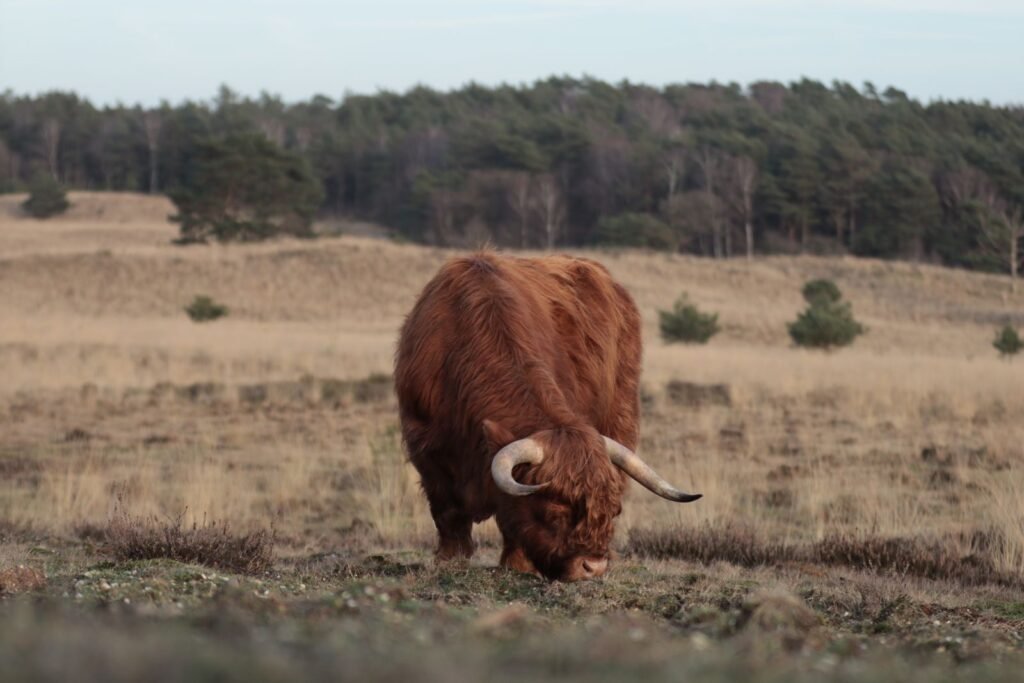
A Highland cow typically costs somewhere between a couple of thousand dollars and several thousand, though prices vary widely. A veterinarian-written guide says the range can run from about $2,000 for a plain animal to well over $50,000 for exceptional stock, while other guides put the typical figure at roughly $1,000 to $5,000 and note that show-quality animals can pass $10,000. The animal you choose, and where you buy it, decide where you land.
The purchase price is only the first bill. Fencing, feed, vet care, transport and paperwork all add up, and for readers in the UK there are keeping and registration rules to follow before the animal arrives. This guide explains each cost and the rules, using published ranges that you should confirm with local breeders.
What Published Guides Say About Price
Figures differ by source, which is normal for a livestock market with no fixed price list. They are in US dollars, so UK buyers should convert them and check local breeder prices.
| Source type | Reported range |
|---|---|
| US cost guide, 2026 | About $1,000 to $5,000 or more, with show-quality bred heifers above $10,000 |
| Veterinary cost site, mature Highland | About $2,500 to $5,000 |
| Veterinarian-written guide | A couple of thousand dollars to more than $50,000 at the extreme end |
| Price guide, calf to yearling | Roughly $800 to $3,000 |
| Miniature Highlands | Some sites say $1,000 to $3,500, while others warn small calves can cost as much as an adult |
A fair way to read the table is that most pet-quality or pasture animals sit in the low thousands, and that registered, show or miniature stock moves into a different price band.
What Pushes the Price Up or Down
Age
Calves are cheaper to buy than adults, but they take years to mature and need more care. Proven breeding cows with healthy calves can cost more than unproven animals.
Sex and purpose
Steers bought for pasture or companionship usually cost less than heifers and cows bought for breeding. Bulls require stronger fencing and handling experience.
Pedigree and registration
Registered animals with clear bloodlines cost more. If you intend to show or breed, ask to see registration papers.
Colour
Colours such as dun, yellow and white are often popular and can cost more, though a veterinarian-written guide notes that colour alone does not guarantee quality.
Miniature or “micro” claims
Demand for small Highlands boomed after viral online posts. The same guide says a tiny calf can cost as much as, or more than, a full-size adult. Always ask how the seller knows the animal will stay small.
Location and transport
One price guide lists delivery from about $200 to $1,200 depending on distance and risk, so a cheaper animal far away may not save you money.
Running Costs After You Buy
Feed
Highlands are hardy and can do well on good grazing. If your pasture is limited, you will need hay in winter. One source estimates around $2.50 a day, or about $75 a month, for feed, while another quotes much higher monthly sums where hay is expensive. Work from local hay prices, not from a headline number.
Fencing and handling
Cattle need secure, well-kept fencing and, ideally, a safe place to handle them for vet work. If you must build these from scratch, they may cost more than the animal.
Shelter and water
A hardy coat does not remove the need for shade in heat or a windbreak in storms. Reliable fresh water, including in freezing weather, is essential.
Vet care and routine health
Plan for vaccines, parasite control, hoof checks and emergencies. Large-animal vets often charge call-out fees.
Transport and insurance
If you need to move the animal, you may need a trailer or a haulier. Ask your insurer about liability for livestock on your land.
A Sample First-Year Budget
| Item | Lower estimate | Higher estimate |
|---|---|---|
| Purchase | $1,000 | $5,000 or more |
| Delivery | $200 | $1,200 |
| Feed (12 months) | $900 | $3,000 or more |
| Vet and routine care | $300 | $800 |
| Fencing and shelter | Existing | Several thousand |
These are planning figures built from the ranges above, not quotes.
UK Keepers: Rules to Check First
In the UK, keeping cattle is regulated, even for a single pet animal. In general you must register your land as a holding with the relevant authority to get a county parish holding number, use approved ear tags, obtain cattle passports and report movements. Rules differ between England, Scotland, Wales and Northern Ireland, so check current guidance on GOV.UK or with your devolved government before you buy. Also check any planning or tenancy restrictions on keeping livestock.
Because the rules and fees can change, treat this section as a prompt for your own research, not a complete legal guide.
Where to Buy and What to Ask
- Registered breeders: Best for pedigree, health history and advice.
- Auctions: Can be cheaper but you know less about the animal.
- Private sales and online listings: Be cautious, ask for video calls and records, and never send a deposit to a seller you cannot verify.
Questions to ask the seller
- Is the animal registered, and can I see the papers?
- What are the age, weight and vaccination records?
- Has it been handled and is it calm?
- What health tests has the herd had?
- What is the refund or return policy?
- Can I visit the farm and see the parents?
Is a Highland Cow Right for You?
Cattle are herd animals, so most keepers have at least two. They live for years, need daily checks and cannot be left alone for long holidays without a competent stand-in. If you only want the look, consider visiting a farm park or a rare-breeds centre first. If you have the land and time, the breed is known for its hardiness and calm temperament, though individual animals vary.
To read a veterinarian-written price guide, see this Highland cow cost guide, and for an overview of buying factors, see this guide to Highland cow prices. For general lifestyle reading, browse our site menu and our travel-minded resort guide if you want a countryside break instead.
Frequently Asked Questions
How much does a Highland cow cost?
Most guides point to a few thousand dollars, with a typical range of about $1,000 to $5,000 or more. Registered, show-quality and miniature animals can cost much more, so ask several breeders for current prices.
Are miniature Highlands more expensive?
They can be. Demand is high and supply is limited, so a small calf may cost as much as a full-size adult. Ask for proof of lineage and expected adult size before you pay.
How much does it cost to feed one?
One source puts feed at roughly $2.50 a day, though prices vary with pasture quality and hay costs. Work out your own figure using local hay prices and the amount of grazing you have.
Can I keep a Highland cow as a pet in the UK?
Possibly, but cattle keeping is regulated. You will generally need a holding registration, ear tags and passports, and you must report movements. Check current rules with the relevant government body before buying.
Should I buy one cow or two?
Two or more is usually advised because cattle are herd animals and can become stressed alone. This also doubles your costs, so budget for two animals when you plan your land and feed.
Where is the safest place to buy?
A registered breeder is usually safest because you can see papers and the herd. Auctions and online listings can work, but check health records and refund terms and avoid paying deposits without verification.
Conclusion
A Highland cow can cost a few thousand dollars to buy, with premium, registered or miniature animals costing far more, and the running costs matter as much as the price. UK buyers should also check holding, ear tag and passport rules. Visit breeders, compare quotes and plan a full yearly budget before you commit.

Tasha Harshman is a versatile writer who explores a range of topics with a special focus on entertainment. She enjoys sharing clear, engaging insights about movies, celebrities, trends, and pop culture.