
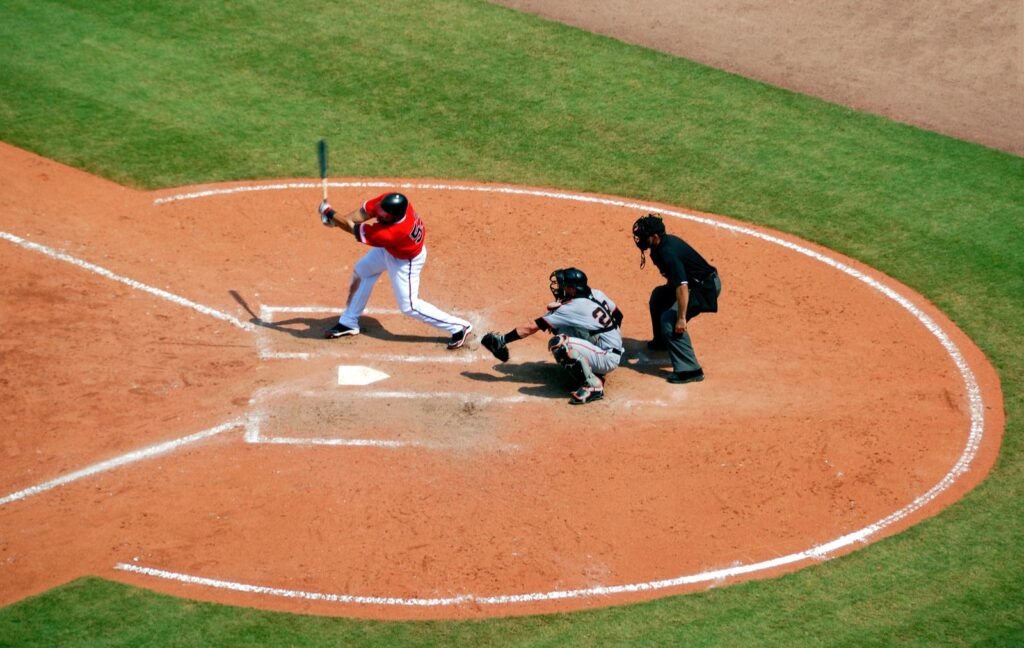
The answer most fans give to the question of what is the hardest thing to do in sports is hitting a pitched baseball. The ball arrives from about 60 feet 6 inches away, can curve or dip late, and the batter must decide to swing almost before it leaves the pitcher’s hand. Even the best hitters fail more often than they succeed, which is the main reason the claim has lasted.
But “hardest” depends on what you test. This article offers a five-test scorecard so you can compare very different feats fairly: reaction time, technical precision, endurance, risk and how often experts succeed. It does not crown a winner for everyone, but it gives you a clear way to argue your own case.
The Five-Test Scorecard
- Reaction: How little time does the athlete have to read and respond?
- Precision: How exact must the movement be to succeed?
- Endurance: How long must the effort last, and how much does fatigue damage performance?
- Risk: How likely and how serious is injury?
- Success rate: How often do elite performers actually succeed at the core task?
Rate each contender from one to five on each test, and the totals show what makes a feat hard for you. The table below gives a rough, opinion-based view to start the discussion. It is not data.
| Feat | Reaction | Precision | Endurance | Risk | Low success rate |
|---|---|---|---|---|---|
| Hitting a baseball | 5 | 5 | 2 | 2 | 5 |
| Goalkeeping | 5 | 4 | 3 | 3 | 4 |
| Gymnastics routine | 3 | 5 | 3 | 4 | 3 |
| Boxing or MMA | 4 | 4 | 4 | 5 | 3 |
| Ironman or ultramarathon | 1 | 2 | 5 | 3 | 3 |
| Pole vault | 3 | 5 | 2 | 4 | 4 |
Test One: Reaction Time
Baseball hitting and goalkeeping score highest here. A hitter must pick up the ball’s speed and spin from the pitcher’s release and decide in a fraction of a second. A goalkeeper facing a close-range shot or a penalty has little time to commit, and guessing early can be as bad as moving late. Tennis returners and hockey goalies also belong in this group.
Test Two: Technical Precision
Gymnastics, figure skating, diving and pole vault demand very exact body control, repeated under pressure. A small error in timing can ruin a routine or cause a crash. Golf and darts belong here too, because success depends on repeating a tiny movement perfectly, again and again, while nerves interfere.
Test Three: Endurance
Ultramarathons, Ironman triathlons and multi-day cycling races push the body for hours. They reward patient pacing, fuelling and mental resilience. They rarely require split-second reflexes, but a poor decision at hour six can end a race. Many fans argue that grinding through discomfort without a break is a different kind of hard.
Test Four: Risk
Boxing, mixed martial arts, bull riding, rock climbing and motorsport carry obvious injury risks. Athletes train for years to manage that risk, and fear is part of the challenge. If you rank difficulty by danger, these sports rise to the top. Injury rates vary by sport and level, so check official injury statistics if you want hard figures.
Test Five: Success Rate
This is where baseball stands out. In baseball a batting average of .300, a hit about three times in every ten at-bats, is widely seen as excellent. You can read more on how batting statistics work. Few other sports treat failure seven times out of ten as outstanding success. Goalkeepers also face a low save-to-shot ratio on shots that are well placed, though the statistics differ by league and shot type.
A line often credited to Ted Williams calls hitting a baseball one of the hardest tasks in sport. Treat the exact wording as folklore unless you can find a primary source, but the sentiment matches how players describe the game.
Why the Mind Matters in Every Contender
Whichever feat you choose, athletes mention the same mental demands: staying calm after a mistake, shutting out noise and trusting preparation under pressure. A baseball hitter who strikes out must reset for the next at-bat. A goalkeeper who concedes must stay ready for the next shot. A golfer who hits a poor drive still has to play the next shot. This is why many athletes describe “the next play” mindset as a core skill.
Contenders People Often Forget
- Tennis returns: Serves can reach very high speeds, and the returner has very little time to read the ball.
- Cricket batting against fast bowling: Like baseball, with the added challenge of bounce and swing.
- Rhythmic gymnastics and diving: Judged on precision, with little room for error.
- Climbing and bouldering: A mix of strength, problem solving and fear management.
- Combat sports: Skill, conditioning and courage all under pressure.
For athletes who combine sporting skill with a public career, our entertainment coverage, such as this entertainment overview, gives a flavour of how the wider entertainment world covers stars and fans.
How to Make Your Own Case
- Pick the test you value most.
- Compare elite performers, not beginners.
- Consider how many years of training it takes to reach a competent level.
- Think about whether natural traits such as height or flexibility give an unfair advantage.
- Be open to changing your answer if a friend argues the other side.
A Fair Verdict
If the test is reaction plus low success rate, hitting a baseball is hard to beat. If it is risk, combat sports and bull riding lead. If it is endurance, ultra events win. If it is precision under pressure, gymnastics, diving and pole vault have strong claims. No single feat wins every test, which is why the debate never ends and why it is so much fun.
For more reading, see the pole vault overview if you want a sense of how technical a field event can be, and browse the rest of our digital topics for other explainers.
Frequently Asked Questions
What is the hardest thing to do in sports?
Hitting a pitched baseball is the most common answer because of the tiny reaction window and the low success rate. There is no official ranking, so the answer changes with how you measure difficulty.
Is hitting a baseball harder than scoring a penalty?
They are different tests. Hitting requires reading a moving ball in a split second, while a penalty is a still-ball kick under heavy mental pressure. Hitting has a lower success rate for elite players.
Which sport is hardest on the body?
Endurance events such as ultramarathons and Ironman races, along with contact sports such as boxing and rugby, are often named. The answer depends on whether you mean fatigue, impact or long-term wear.
Which sport needs the most skill?
Gymnastics, figure skating, diving and pole vault are often cited for technical skill, since small errors cost points or cause injury. Baseball hitting and goalkeeping are the usual picks for reaction skill.
Does natural talent decide who can do these things?
Talent helps, but years of coaching and practice matter most. Physical traits such as height, flexibility or lung capacity may help in some sports, yet nobody reaches the top without sustained work.
Why do athletes talk so much about mindset?
Because every sport on this list involves pressure and failure. Athletes who reset quickly after errors tend to perform more consistently, so mental skills are trained like physical ones.
Conclusion
Hitting a baseball earns the most votes for the hardest thing in sport, mainly for its tiny decision window and its low success rate. Yet gymnastics, goalkeeping, combat sports and ultra endurance win on other tests. Choose your yardstick first, then argue your case.

Tasha Harshman is a versatile writer who explores a range of topics with a special focus on entertainment. She enjoys sharing clear, engaging insights about movies, celebrities, trends, and pop culture.